
The Future of Oncology: Bacteria Instead of Chemotherapy
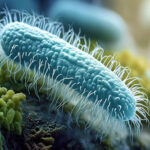
Scientists from Stanford have found a way to turn the inhabitants of our skin into a weapon against oncology. Genetically modified microorganisms can selectively destroy tumour cells without affecting healthy tissues. This approach opens new horizons in the therapy of melanoma and other malignant skin neoplasms.
Researchers at the medical university reprogrammed Staphylococcus epidermidis – bacteria that normally protect the skin from pathogens. After modification, the microorganisms began to produce special peptides that destroy the membranes of cancer structures. Experiments on laboratory animals showed a significant reduction in melanoma size in just two weeks.
“We used an organism that is always present with humans and taught it to fight cancer,” explains Professor of Bioengineering Michael Fishbach, one of the authors of the development.
How the New Therapy Works
The process begins in the laboratory. Using genetic engineering methods, particularly CRISPR technology, genes responsible for the production of cytotoxic peptides are inserted into the bacteria's genome. The resulting microorganisms are then placed in the base of a therapeutic gel or ointment. The patient simply needs to apply it to the affected area of skin, and the bacteria begin to do their work.
Unlike chemotherapy or radiation therapy, which act on the entire body and often cause severe side effects, the bacterial method works locally. Selectivity is ensured by the unique microenvironment of the tumour: increased acidity, low oxygen levels, and specific molecular markers. These factors serve as “signals” for the bacteria.
“The bacteria seem to be trained to find only sick cells, leaving healthy tissues alone,” emphasizes Fishbach. This approach is especially valuable in treating melanoma on the face or hands, where the cosmetic result is as important as the medical one.
Immune Response as an Additional Weapon
Scientists have noticed that the modified microorganisms not only destroy the tumour directly but also activate the immune system. They attract T-cells that begin to attack cancer cells. This creates a “double punch” effect: the bacteria destroy the tumour, while the immune system reinforces the result.
When combining the new method with immunotherapy – for example, with checkpoint inhibitors – the effectiveness of treatment increased by about 40%. This result provides grounds to talk about the possibility of integrating bacterial therapy into existing oncology treatment regimens.
The new therapy promises to be not only effective but also gentle. The patient will not require complex surgeries: a simple outpatient application of the gel is sufficient. The bacteria begin to act immediately upon contact with the skin, making the method convenient even for elderly patients and those with comorbidities.
“Our goal is to create a treatment that is as simple and safe as possible,” says co-author Katherine Nagler, a microbiology specialist.
Obstacles and Challenges
So far, research is limited to experiments on animals. To bring the method to clinics, its effectiveness and safety for humans must be proven. The first clinical trials are scheduled for 2026–2027. Researchers are already collaborating with pharmaceutical companies to prepare drugs and create testing protocols.
Additionally, there are technical challenges. It is necessary to achieve stability of the bacteria during storage, resistance to temperature and light, as well as predictability of their activity on the skin. It is important to determine how often the patient should apply the drug to maintain the therapeutic effect and whether there is a need for an “additional dose” of bacteria.
Scientists are considering the possibility of applying the method not only for melanoma. Plans include adapting the bacteria for the treatment of basal cell and squamous cell skin cancer. In the future, it may also be possible to expand the technology to internal tumours if safe methods for delivering bacteria inside the body can be developed.
“If we learn to direct microorganisms to tumours in internal organs, it will mark a new stage in oncology,” notes biomaterials expert David Schultz.
Researchers are also working on equipping the bacteria with additional functions. For example, they could produce anti-inflammatory molecules that would reduce the risk of recurrence and help the immune system better control the patient's condition.