
Scientists Discover Way to Enhance the Effectiveness of CAR-T Cells
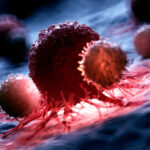
CAR-T cell therapy is a modern method in which the patient's own immune cells (T-lymphocytes) are genetically modified. In the laboratory, they are equipped with a chimeric antigen receptor (CAR) that targets the cells to cancer cells containing the specific protein CD19 and destroys them. This method is successfully used to treat blood cancers such as leukemia, lymphoma, and multiple myeloma.
Researchers from the Nagoya University Graduate School of Medicine in Japan, led by Yoshitaka Adachi, Seitaro Terakura, and Professor Hitoshi Kiyoi, have made a breakthrough in CAR-T cell therapy. In their work published in the journal Nature Communications, they described a method that significantly enhances the effectiveness of this promising approach in cancer treatment.
The Relapse Problem
Despite its revolutionary nature, CAR-T cell therapy faces a serious problem of disease relapse in a significant number of patients. This occurs due to the complex interaction between CAR-T cells and the tumour microenvironment.
Cancer cells, striving to survive, create an aggressive and hostile environment around themselves that suppresses the activity of immune cells, including CAR-T cells. This environment is characterized by various factors, including immunosuppressive cells such as regulatory T cells (Tregs) and myeloid-derived suppressor cells (MDSCs), which the tumour attracts and "reprograms" to suppress the immune response, inhibitory molecules such as PD-L1 and CTLA-4 that cancer cells express on their surface to suppress T cell activity, nutrient deficiencies caused by the rapid growth of the tumour, leading to the exhaustion of CAR-T cells, and physical barriers that may hinder CAR-T cells from reaching cancer cells.
As a result, after several encounters with cancer cells, CAR-T cells lose their ability to divide and effectively attack the tumour. They become "exhausted" and cease to perform their function. This leads to the remaining cancer cells in the body after the initial therapy starting to multiply again, causing disease relapse.
Solution – Modification of the CUL5 Gene
To address this problem, researchers from Nagoya University used CRISPR screening to identify genes whose modification could improve CAR-T therapy. They focused on the CUL5 gene, which is involved in the degradation of certain proteins within the cell.
The scientists found that reducing the activity of the CUL5 gene enhances the JAK-STAT signaling pathway, which plays a key role in the growth and proliferation of T cells. As a result, CAR-T cells become more resilient to the aggressive environment created by cancer cells and maintain their ability to effectively combat the tumour even after repeated exposure to cancer cells.
Experiments on mice with B-cell lymphoma showed that modified CAR-T cells with reduced CUL5 gene activity suppress tumour growth and prevent disease relapse much more effectively than regular CAR-T cells.
New Method for Delivering Genetic Material
Traditionally, the creation of CAR-T cells deficient in CUL5 uses the electroporation method, which can damage cells and is not suitable for mass production. Japanese researchers developed a new method to reduce CUL5 activity using viral transfection. This method is gentler and allows for simultaneous CAR transfection and shCUL5 transduction, making it more promising for clinical application.
Prospects
The discovery made by Japanese scientists opens new horizons in the fight against cancer. Modification of the CUL5 gene significantly enhances the effectiveness of CAR-T cell therapy and reduces the likelihood of disease relapse. Currently, researchers are working on applying this approach to treat other types of cancer, including solid tumours, which are particularly difficult to treat.