
Scientists Discover Protein That Suppresses Tumour Growth
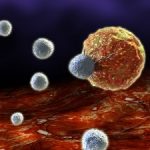
A group of researchers from Boston University School of Medicine has identified the ability of a protein, whose role in the development of oncological diseases has been studied before, to destroy another protein that hinders immune cells from recognizing and attacking cancer cells. New methods based on its use may help more effectively combat various types of oncology, including breast, kidney, and lung cancer.
In 2018, the Nobel Prize in Medicine was awarded for the discovery of so-called immune checkpoints. These are special surface proteins that malignant cells use to suppress the immune response. They "calm down" T-lymphocytes, which are responsible for recognizing and destroying harmful and mutated cells, including cancer cells.
If immune system cells are freed from this "brake," they will be able to recognize and attack tumour cells much more actively. With the discovery of immune checkpoints, a new type of anticancer drugs was developed that inhibit the action of these specific molecules, leading to a revolution in oncology. At the same time, scientists continue to search for mechanisms to destroy these proteins, the regulation of which will allow the immune system to more effectively resist various types of cancer.
In their new study, researchers at Boston University School of Medicine found that the protein c-Cbl, which regulates the process of cell proliferation by preventing their uncontrolled division and, as a consequence, the formation of a cancerous tumour, is also capable of destroying the PD-1 receptor protein, one of those very immune checkpoints.
PD-1 is a component of the "programmed cell death" system. It is expressed on the surface of T-lymphocytes present in the tumour microenvironment and, like a brake, restrains the immune response mechanism. This occurs as follows: the receptor protein sends a signal to the lymphocyte that the antibodies it produces pose a danger, as they are directed against the body's own cells, and the lymphocyte reduces its activity.
Thanks to special mechanisms, tumour cells can produce special signals on their membranes that prompt the PD-1 protein to change its attitude towards them from hostile to friendly. But if this protein can be blocked, the efforts of cancer cells will be in vain: lymphocytes will find and destroy them. This mechanism underlies a new class of immunotherapeutic drugs known as immune checkpoint inhibitors. However, there are other ways to affect PD-1.
One of these was discovered by Boston researchers, who showed that regulating the ability of the c-Cbl protein to control PD-1 expression can enhance the effectiveness of treatment for patients with melanoma, bladder cancer, kidney cancer, breast cancer, and non-small cell lung cancer.

Malignant cells often increase the expression of c-Cbl in lymphocytes to deceive the immune system, making it perceive them as harmless and not attack. If scientists can learn to control the ability of these proteins to regulate PD-1 expression, they claim, better results can be achieved in the fight against certain types of cancer. In the new study, they demonstrated that c-Cbl can change the tumour microenvironment and destroy PD-1.
The team studied the effect of c-Cbl on immune cells using experimental models with transplanted cancer cells that lacked one copy of the corresponding gene. They then compared the rates of tumour growth in models with the missing gene and control models that were not subjected to genetic editing. They found that cancer cells grew faster in models with "turned off" c-Cbl.
The results indicate that the loss of c-Cbl activity leads to rapid tumour growth and increased expression of PD-1 receptors in T-lymphocytes located in the tissues surrounding the cancer mass. According to the researchers, this discovery will allow for the development of new treatment methods that will suppress the growth of malignant neoplasms by activating the c-Cbl protein in the future.
"Despite the existence of PD-1 inhibitors that have been available for clinical use for several years, they are effective only in a small number of cancer patients. This situation indicates the need for new drugs that would simultaneously affect several mechanisms provoking cancer. Activating c-Cbl destroys certain proteins that contribute to tumour formation, so drugs utilizing this effect will have a broader action than PD-1 inhibitors," concludes senior author of the study Professor Vipul Chitalia.