
Israel Offers a New Solution for Patients Suffering from Ascites
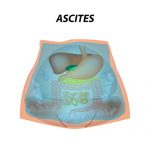
People with ascites will no longer have to undergo the painful and unsafe procedure of draining accumulated fluid from the abdominal cavity regularly. In Israel, these patients are offered an innovative solution – an implantable mini-pump that pumps excess fluid into the bladder, from where it is then excreted during urination. The use of this new device significantly alleviates the condition and improves the quality of life for people with abdominal dropsy.
Ascites, or abdominal dropsy, is the pathological accumulation of fluid in the abdominal cavity. It is not an independent disease but a complication of a range of ailments. Most often, ascites accompanies liver diseases, primarily cirrhosis and cancer.
A small amount of ascitic fluid is always present in the abdominal cavity, and this is completely normal. It constantly moves into the lymphatic vessels, and a new portion is formed in its place. However, during certain pathological processes in the body, this fluid is either produced in excess or stops being absorbed, which ultimately leads to its gradual accumulation. It begins to exert pressure on internal organs, hindering their normal function.
 Accumulation of ascitic fluid in the peritoneum not only causes abdominal swelling, causes severe discomfort, and significantly reduces a person's quality of life. This condition is life-threatening. If necessary measures are not taken, it can end tragically. Abdominal dropsy is especially dangerous in liver cancer: the risk of death in this case doubles.
People suffering from ascites can gain up to 10 kg in a week. They are forced to regularly – sometimes several times a week – be hospitalized for paracentesis – an unpleasant surgical procedure to remove excess fluid from the abdominal cavity. During the procedure, the surgeon punctures the abdominal wall with a thin needle, after which a drainage tube is inserted through which the ascitic fluid is gradually removed from the body.
This procedure, which is currently the most common way to address the problem of ascites, lasts several hours and is associated with serious health risks for the patient, including the risk of infection and bowel perforation leading to subsequent fecal peritonitis. Additionally, repeated punctures can result in peritonitis and other severe complications. Moreover, the need to constantly visit the hospital negatively affects the quality of life for such individuals: they cannot work fully and lead a normal lifestyle.
Alfa Pump – A Lifesaver for People with Complicated Liver Diseases
 This refers to a Swiss development – an innovative device, the Alfa Pump, which allows people with abdominal dropsy to avoid the need for regular painful and unsafe surgical procedures, as well as save time and resources on hospital visits.
The device is a miniature pump a few centimeters long, which is implanted under the skin in the abdominal area during a minimally invasive procedure similar to that performed when installing a pacemaker. Using two thin silicone catheters, it pumps ascitic fluid from the abdominal cavity into the bladder, from where it is then excreted naturally.
The “smart” pump continuously monitors and records data on the volumes of fluid entering and being pumped out of the patient's abdomen. The collected information is then transmitted via a secure channel directly to the personal computer of the treating physician, which has special software that allows them to monitor the process and adjust the device settings as necessary.
Based on the obtained data, the doctor determines how much fluid and at what intervals the pump should pump. They also consider the current condition of the patient and a convenient operating mode for the device. For example, at night, it is possible to reduce the volume of ascitic fluid pumped into the bladder so that the person does not have to wake up frequently to go to the bathroom. In a quarter of an hour, the Alfa Pump pumps an average of 15–20 ml of fluid, and throughout the day, it can remove up to four liters of excess fluid from the abdominal cavity.
A charger is provided with the mini-pump, allowing the patient to recharge the built-in battery directly through the skin of the abdomen. Typically, the charge lasts for several days, and the recharging process takes no more than twenty minutes. The use of the pump significantly improves the lives of people with diseases complicated by abdominal dropsy, freeing them from the need for repeated punctures, thus reducing the risk of damage to internal organs and the development of inflammation.
 Patient examinations and the assessment of the possibility of using the Alfa Pump are conducted at the Liver Institute. The installation and management of the device require special skills, so all doctors at the institute and the surgical department of the hospital have undergone appropriate training in Switzerland.
In Israel, the cost of the device itself, the expenses for its implantation, and maintenance are not covered by public health insurance.